"We want to share knowledge, but we had no system for it. Knowledge was staying in people's heads, on drives, on Slack — and we could easily end up solving the same problems again, even though someone might have already dealt with a similar issue. And scaling without shared know-how is tough," says Bára, UX designer, explaining why she took on the challenge of building a new knowledge base.
Goals of the internal knowledge base
- Easier sharing of know-how across teams.
- Simplifying and speeding up people's work.
- Clear data in one place with easy search.
First step: clearly describe working processes and methods
As part of our preparation, we decided to pause the development of the new knowledge base and, before filling it with more articles and content, properly describe our working processes and methods. We found that:
- A knowledge base cannot be the work of a single author.
- It cannot contain just information, but reusable solutions.
- Team members don't visit the knowledge base, and we want them to actively contribute to it.
How to create a living knowledge base that people actively use?
"Having content isn't enough. We need to create an environment where knowledge is naturally used. When you involve people in creating it, they're much more likely to start using it," Bára, UX designer
To drive change, nudges are used. These gently guide users toward making the choice we need, while still leaving them free to choose. Bára likes to work with the behavioral EAST model for its simplicity.
Easy – The knowledge base is easy to use
- We use a tool that everyone already knows.
- It includes ready-made tools that can be directly embedded into a task, proposal, WBS, or brief.
Attractive – The knowledge base is useful for people
- It includes lessons learned from other team members.
- It contains content that is genuinely useful and can't be found elsewhere.
Social – People want to contribute to creating it
- Co-authorship is fundamental — it's not the work of a single author.
- The knowledge base becomes part of everyday work.
Timely – It provides the right information at the right time
- The knowledge base is accessible wherever we're currently working.
- Its contents reflect real-world situations.
What could that look like?

When a new task arises, a larger team works on it — project managers, sales, lead design, and other designers. Each handles a different part, and that's exactly when a knowledge base can make their work easier: ready-made templates, proven processes, or examples from the past. We don't need to reinvent things from scratch — the knowledge base provides the foundation for everyday work, whether we're preparing a proposal, refining processes, or drafting a brief.
- Preparing a proposal: The method description is in the knowledge base — I can copy it and add the benefits and risks specific to the client.
- Preparing a WBS (Work Breakdown Structure): Activities and their realistic durations are recorded in the knowledge base — I can copy the table and adjust as needed.
- Preparing a brief: I have a template from the knowledge base that I can simply fill in.

New priorities on which we're building the knowledge base
➡️ First, clearly describe working processes.
➡️ Create practical tools: checklists, templates, and methods.
➡️ Start with what we use every day: proposals, WBS, briefs, processes.
➡️ Build a living database that naturally updates and evolves as people contribute to it.
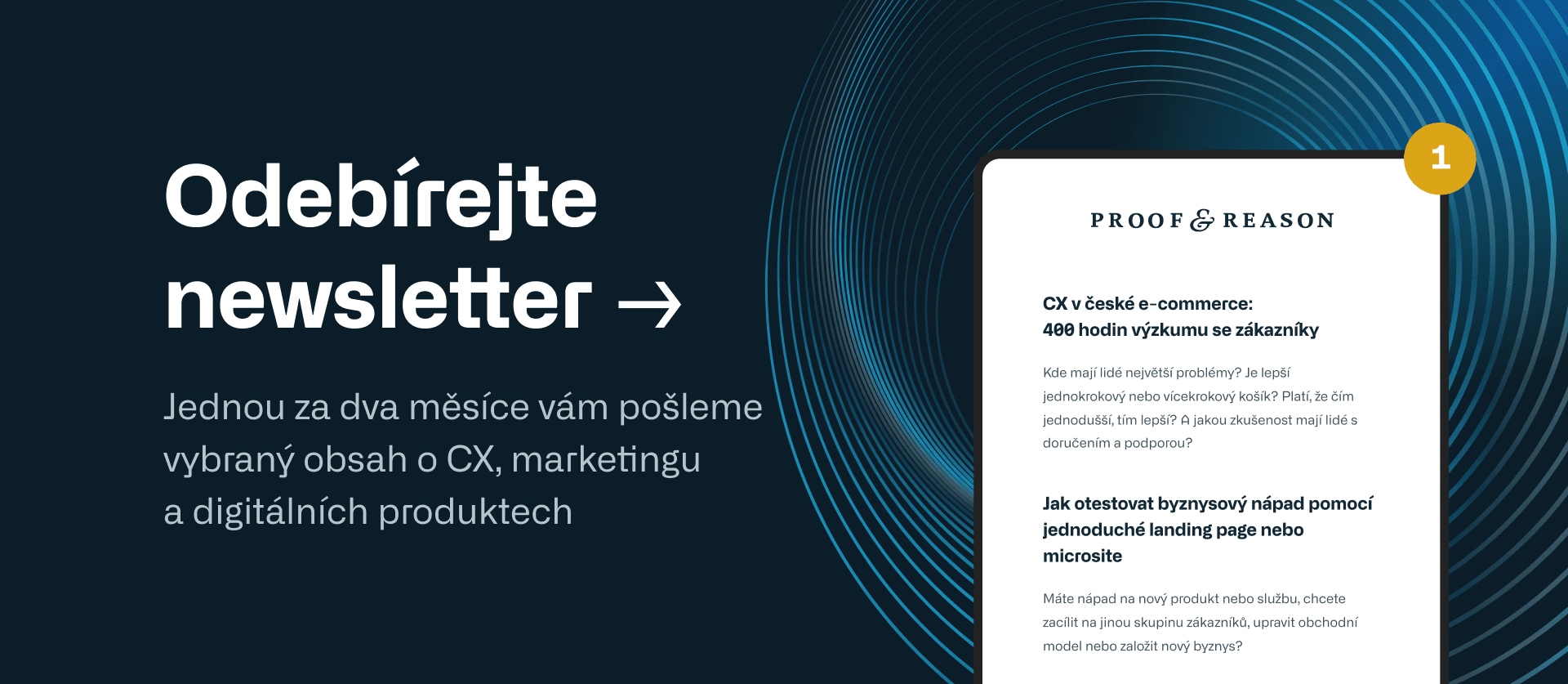
In it you'll find, for example:
- An interview with Monika Hrubá from Česká spořitelna, sharing her experience from the agile transformation of the largest Czech bank into a customer-oriented company.
- A case study on reducing the load on the customer helpline at EG.D (formerly E.ON distribution), where we made it 48% easier to find target pages on the website and saved hundreds of thousands in operating costs.
- A new article covering the basics of CX: what it includes, how to measure it, how to improve it, and why measuring NPS alone isn't enough for a better customer experience.
- Or 5 CX trends in the Zendesk report, which maps how companies around the world (22 countries, over 10,000 respondents) are working with AI in customer experience.