Key takeaways from this article:
- Functionality and reliability are not a competitive advantage. In the Czech market, thanks to large e-shops like Alza and Datart, customers take both for granted. The real space for differentiation lies in usability — for example, how easily a customer finds the product they need — and in delight: how you can surprise them even when they're not expecting it.
- Companies that focus only on reliability and general usability have no tool for differentiation other than price. Start asking yourself what you're genuinely offering customers beyond fast payment and delivery. It could be expert content and an online consultation service like Nazuby.cz, detailed video reviews like Kytary.cz, or a handwritten note in the parcel like Havlíkova Apotéka.
- Specialists and D2C brands can beat even the e-commerce giants with their expertise and depth. It doesn't make economic sense for large retailers like Amazon or Alza to build expert content or deep product guides for every category. Smaller e-shops can build their differentiation on exactly this.
- Every gesture in the customer journey must make economic sense. Before you launch something you're doing for the joy of it and for relationship-building with customers, calculate the impact on your margin.
Fast delivery and a working cart are no longer enough
Fast delivery, reliable payment, and always-available stock. All of this is now taken for granted by customers. Companies that don't go further give customers no reason to return. They compete on price because they have no other advantage — and become easily replaceable.
At the same time, more than half of customers will leave for a competitor after a single bad experience (Zendesk) and 86% of buyers are willing to pay more for a better customer experience (PwC). The simple conclusion: CX today doesn't just influence customer satisfaction — it directly affects margin and retention.
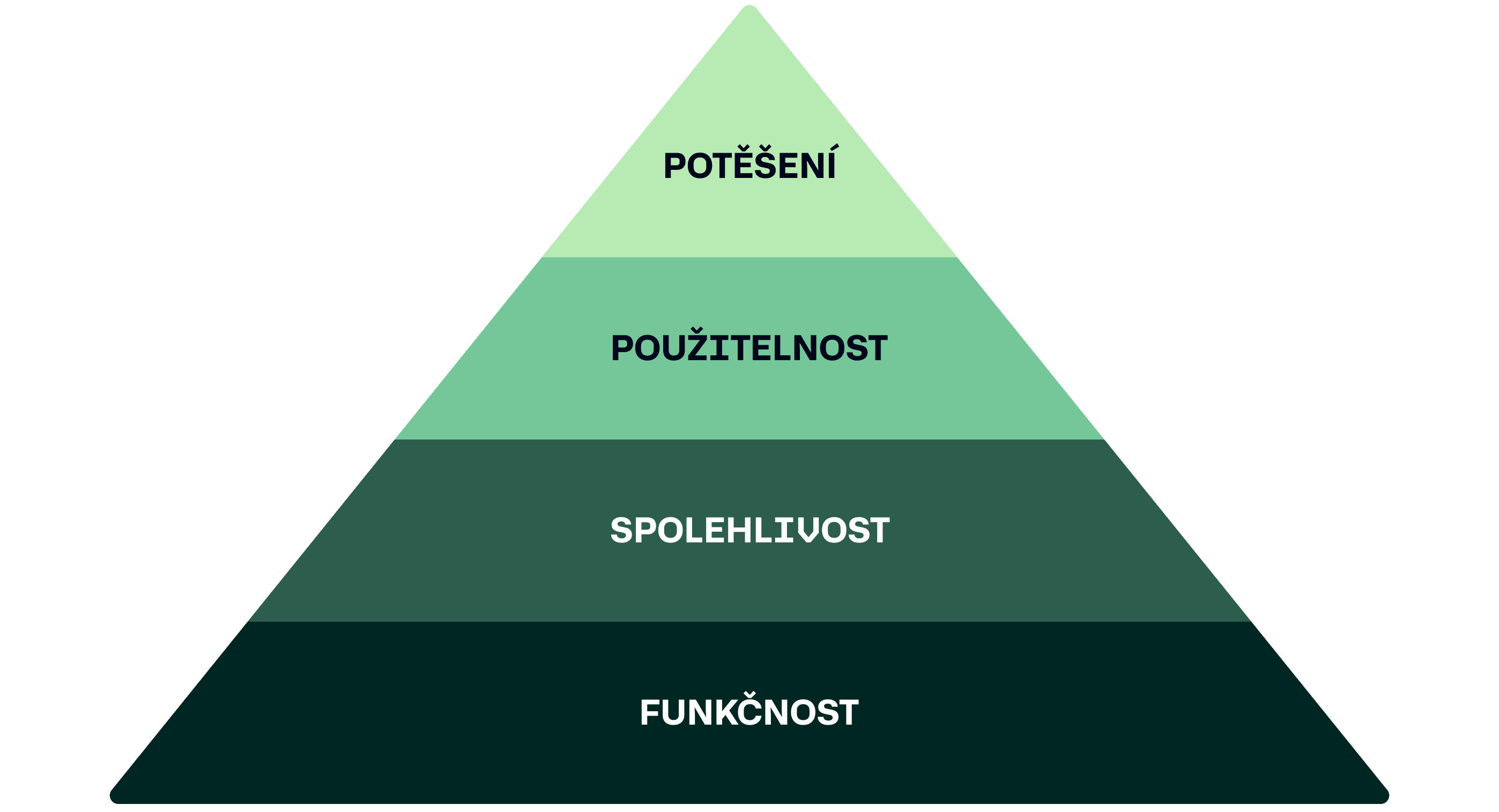
4 Levels of CX: The Pyramid of User Needs
The user needs pyramid was introduced in 2011 by designer Aarron Walter, who worked at MailChimp and InVision, among others. In his book Designing for Emotion, he drew inspiration from Maslow's hierarchy of needs and applied similar logic to working with customers. Moving up to a higher level of the pyramid only makes sense if the previous one is fulfilled. Customers won't appreciate "wow effects" if your cart doesn't work reliably or your stock levels are off.
Level 1: Functionality — the e-shop exists and works: links go where they should, payments go through, orders don't disappear. Without functionality, nothing else is worth addressing — but it also impresses no one.
Level 2: Reliability — the e-shop works the same way every time. "In stock" actually means in stock. Products you promise within two days actually arrive within two days. The company or e-shop keeps its promises and builds trustworthiness.
Level 3: Usability — the customer can easily navigate your site and find what they need. They get enough information to choose the right product, and any complaint is resolved faster than legally required. This is where you can start building your competitive advantage.
Level 4: Delight — you surprise the customer at a moment when they're not expecting it. You show them they're not just another number to you, and you create value beyond the transaction itself.
From a purely transactional perspective, most of these gestures make no sense. That's exactly why they work so well.
The Chewy Story: How They Overtook Amazon in the Pet Food Category in Five Years
In 2011, Ryan Cohen and Michael Day founded a pet food e-shop in Florida. They had no technological advantage, no unique product — they even sold the same brands as Amazon. You might wonder: why would anyone buy a bag of kibble from an unknown e-shop when Amazon delivers it faster and cheaper?
And yet, within five years, Chewy took the lead in the pet food category in the USA — and has held it ever since.
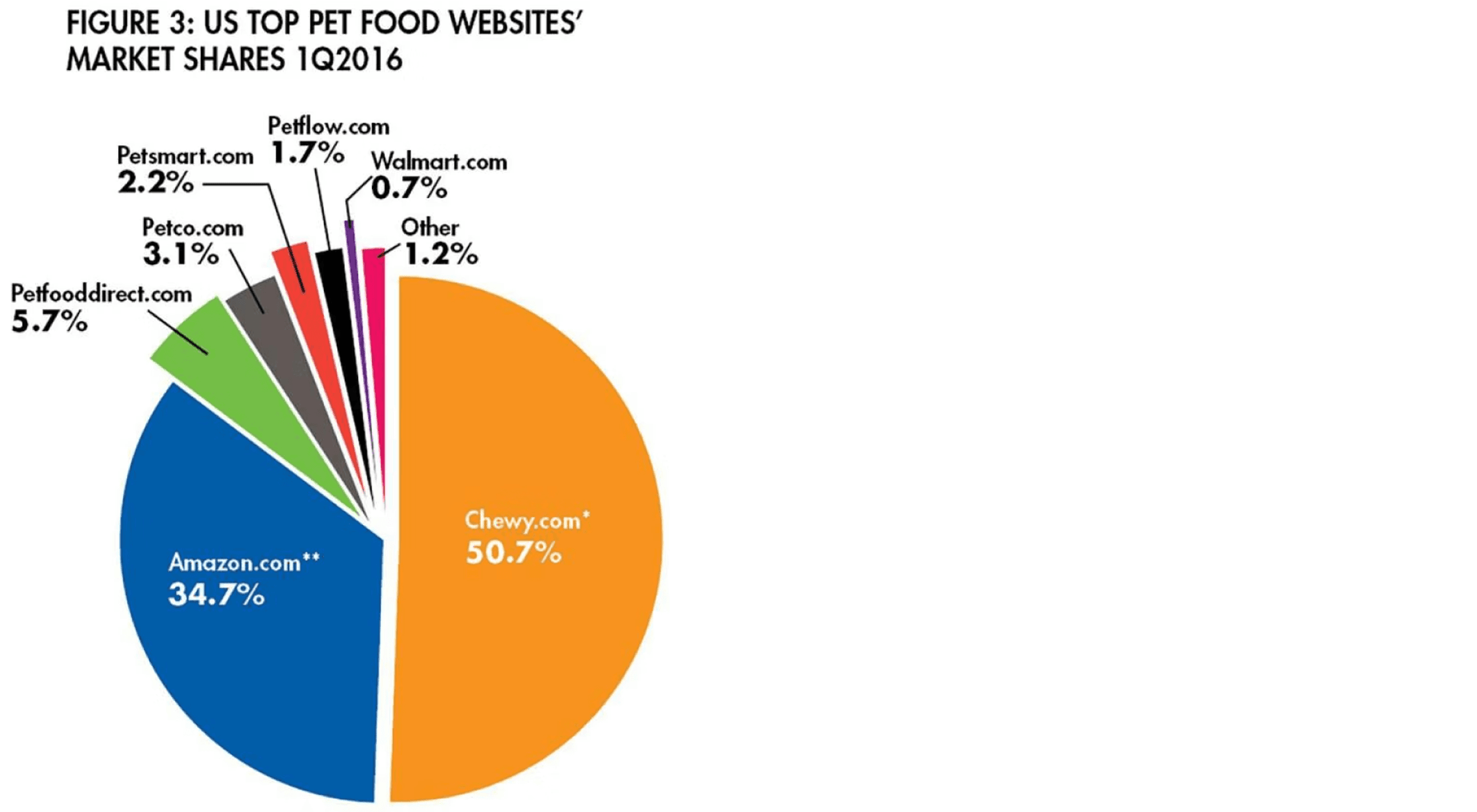
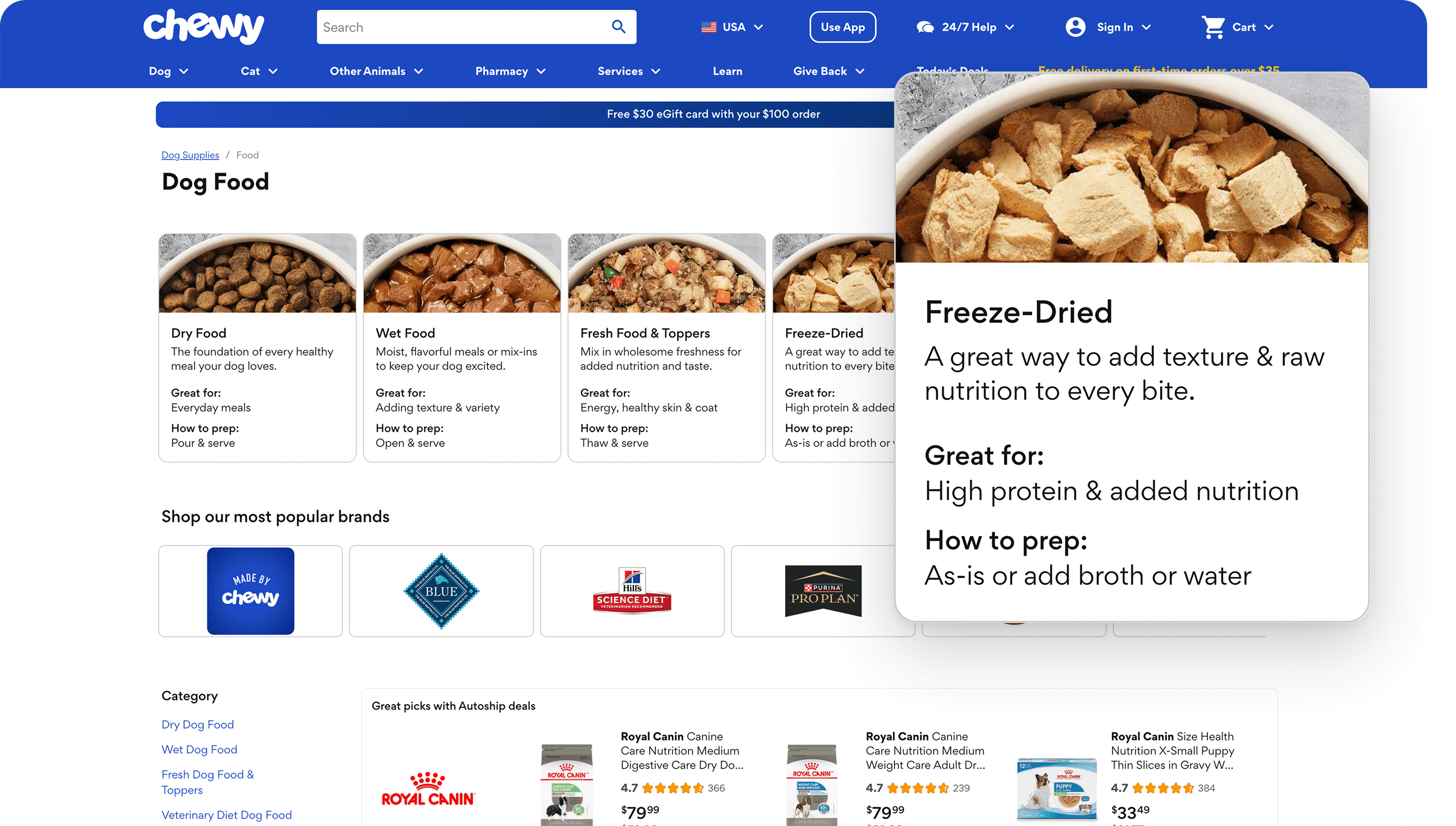
They won by systematically going one step further than Amazon at every level of the customer experience. Amazon's strength is the breadth of its portfolio, and investing deeply in each of hundreds of product segments simply isn't economical for them. At Chewy, they focused on just one — and went much deeper into it:
- Trained customer support — when you call Chewy, a person answers who understands the products and can give very specific advice. For example, which food to choose for a ten-year-old Labrador with a sensitive digestive system.
- Personalization based on pet profile — in their account, the customer fills in their dog's breed, age, weight, and allergies. Chewy uses this to make recommendations that genuinely simplify product selection in a category with hundreds of options.
- Hand-painted pet portraits — Chewy takes the dog profile further. They send selected customers, without any prior notice, a hand-painted portrait of their dog, created by their own team of artists. Customers share these portraits on social media, mention them to friends, or post about them on Reddit, where there are hundreds of such posts.
From a purely transactional perspective, most of these gestures make no sense. That's exactly why they work so well. The customer remembers the experience, shares it with others, and is very likely to think of Chewy next time they shop. An "investment in emotions" directly reduces price sensitivity.
Want to see more concrete examples of gestures that build customer relationships? Download the presentation from Robin's talk at E-commerce Day.
How Czech e-shops are doing
In the areas of functionality, reliability, and partly usability, the bar in the Czech market has been raised primarily by Alza — with next-day delivery (and often same-day) and automated complaints handling via Alza Boxes — and Datart, which also offers installation of large appliances and collection of old devices. What was a competitive advantage ten years ago, customers now expect as standard.
For smaller e-shops, this means they need to move to higher levels of the CX pyramid to differentiate. And there are a number of companies you can draw inspiration from:
Level 3: Usability
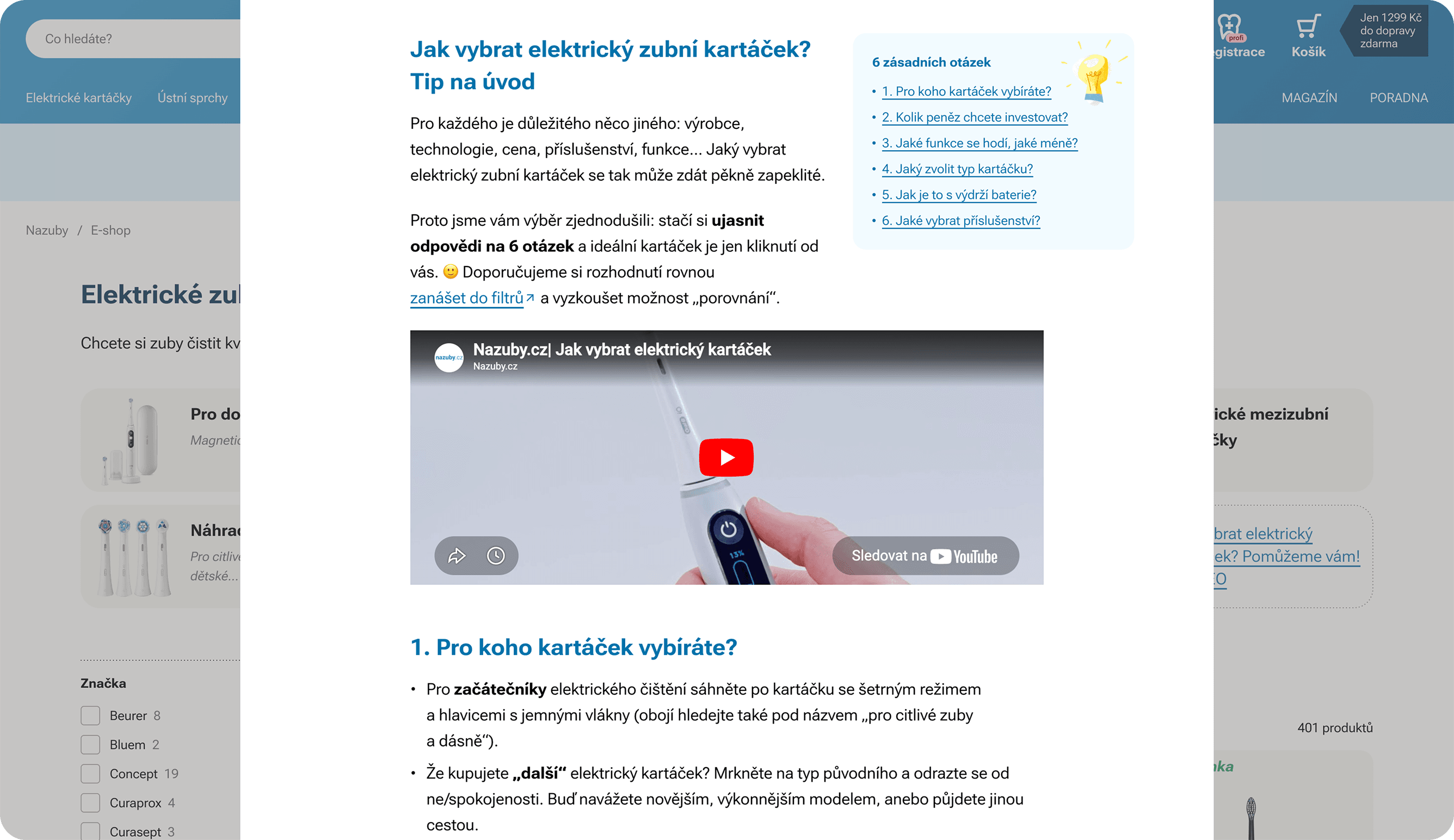
Nazuby.cz addresses a very typical problem in the oral hygiene category. Customers can't judge which toothbrush is suitable for their specific situation. So they create expert content guides in collaboration with specialists, and also operate their own online consultation service staffed by dentists and dental hygienists.
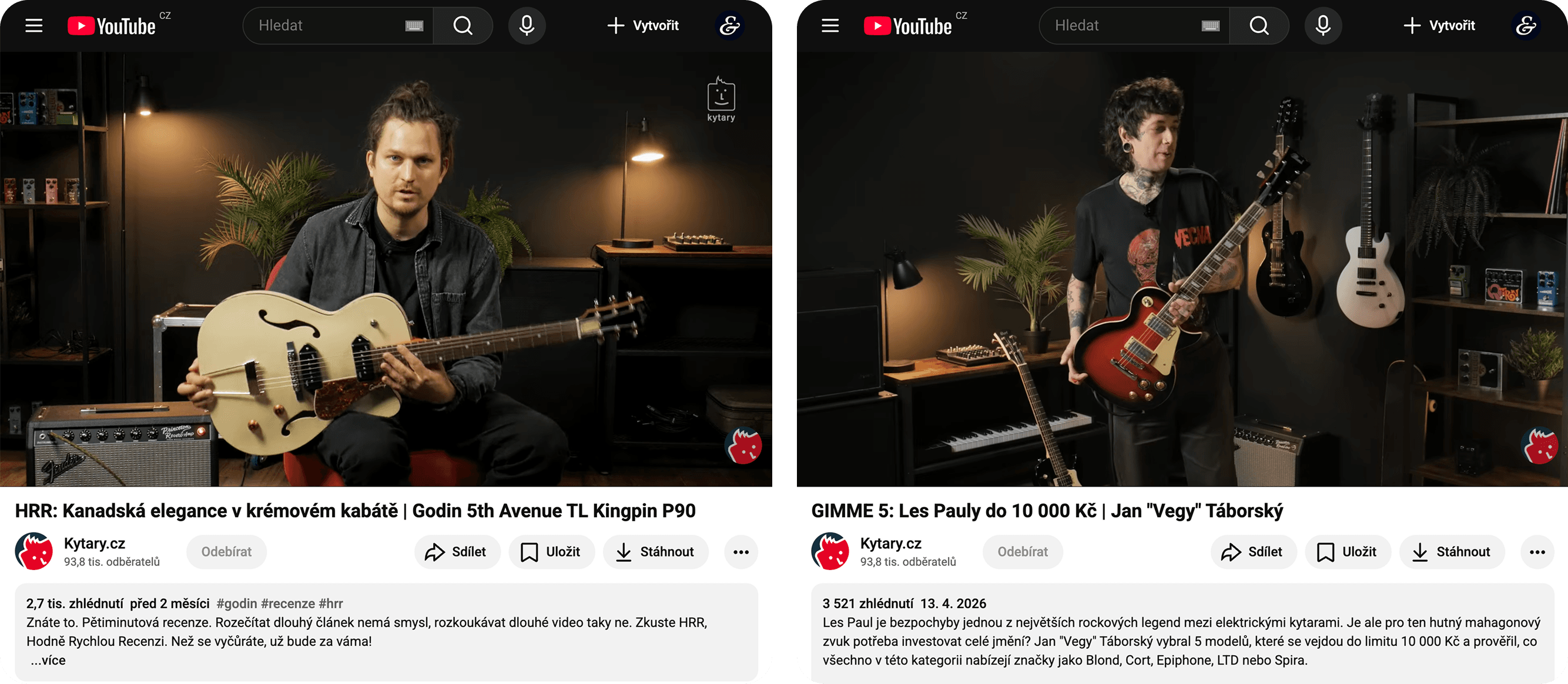
Kytary.cz brings the experience of buying a musical instrument into the online world. They know that when choosing, customers need to hear and compare instruments — so they create video series like Gimme 5, where an expert compares five instruments from the same price category. In the digital space, this partially replaces the in-store salesperson. And if that's not enough, customers can have an instrument brought to the Prague or Brno branch for a try-out.
Level 4: Delight and relationship-building
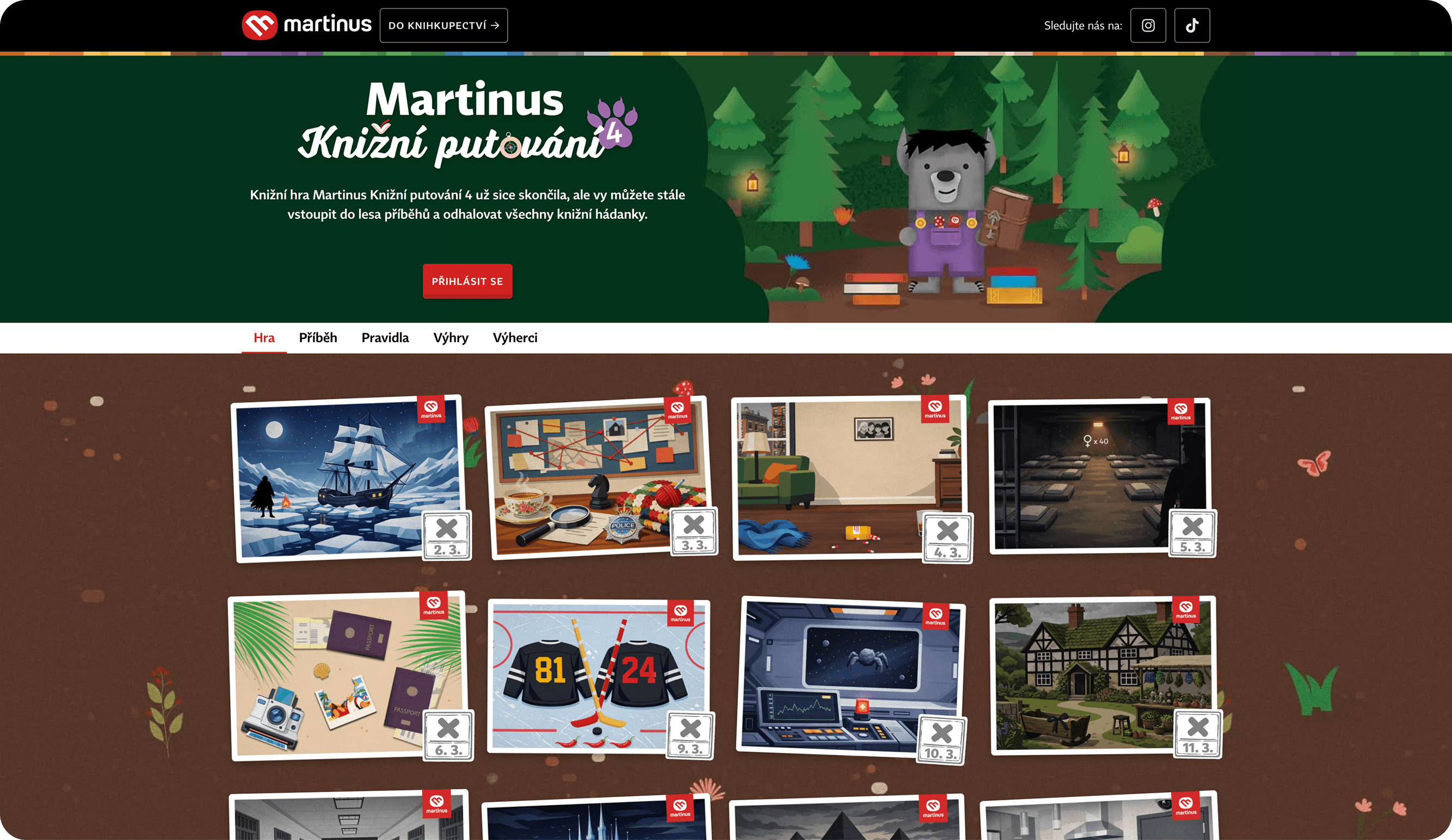
Martinus works on building a relationship with the customer across their entire journey — for example through collectible bookmarks included with books, creating a form of gamification. Their Knihovrátek program allows books to be returned, signaling to customers that the relationship doesn't end with a purchase. And the Knižní putování campaign with daily puzzles attracted 140,000 readers from the Czech Republic and Slovakia.
Havlíkova Apotéka includes handwritten notes in their packages, which customers spontaneously share on social media.

LUSH adds a photo and the name of the person who made each product, creating a sense of transparency and trust in quality.

What these companies have in common
Despite the diversity of their products and categories, they share three things:
- They understand their industry in depth — owners are often part of the customer community themselves and use the products personally. Their team is the same.
- They actively get to know their customers — they proactively collect feedback and work with it systematically. They know what customers need, what they're afraid of, and how they think within the category.
- They can connect both types of knowledge — at level 3 of the pyramid, they create content and an e-shop that helps customers make decisions. At level 4, they find a gesture that resonates and pleasantly surprises.
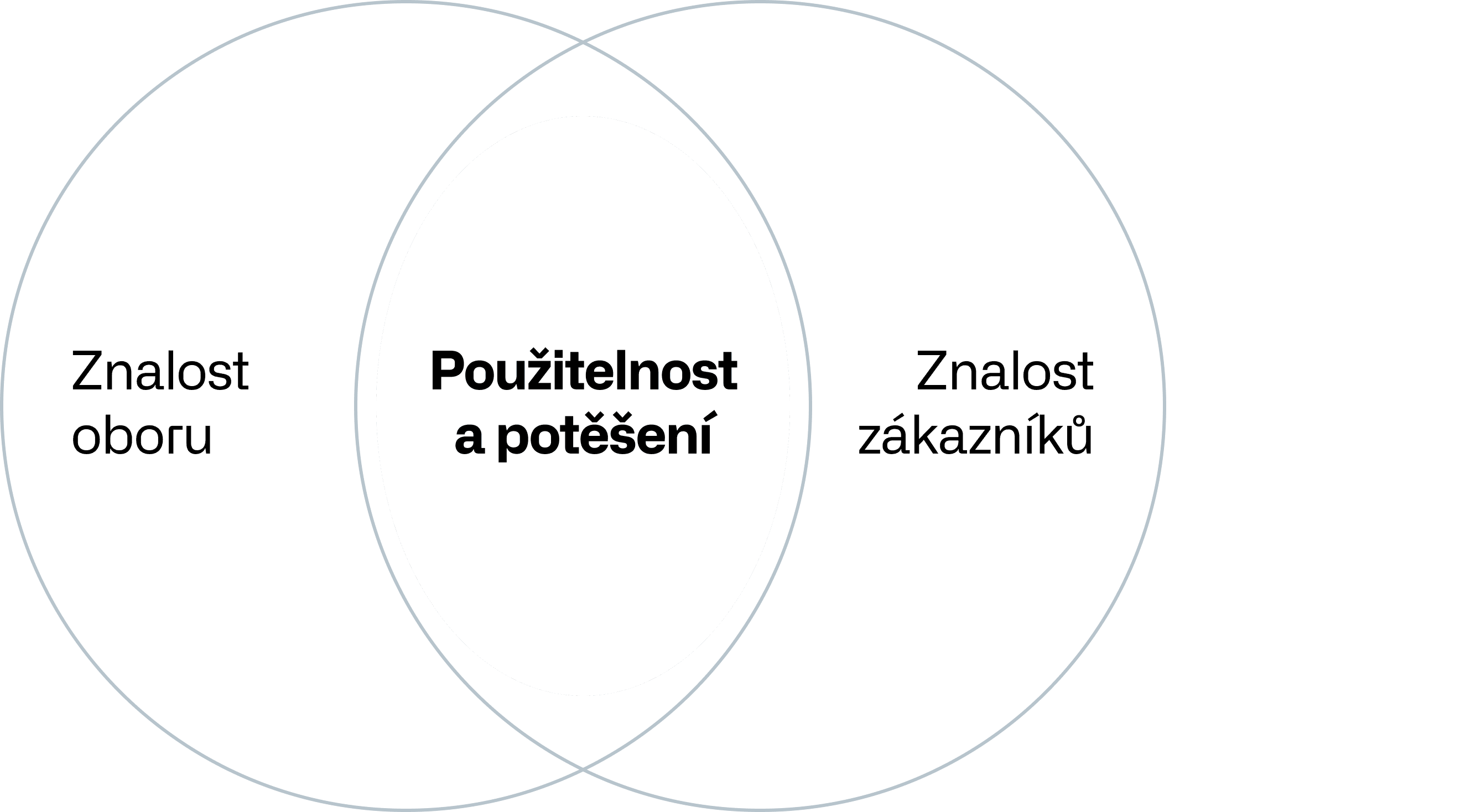
Without understanding the industry and the customers, every investment in higher levels of CX is shooting in the dark. The customer may notice it, but it likely won't match their real needs — and no relationship will form.
But it always needs to make economic sense
One more thing worth mentioning. Customer experience is a powerful tool for differentiation, but it must never work against the company's fundamental economics.
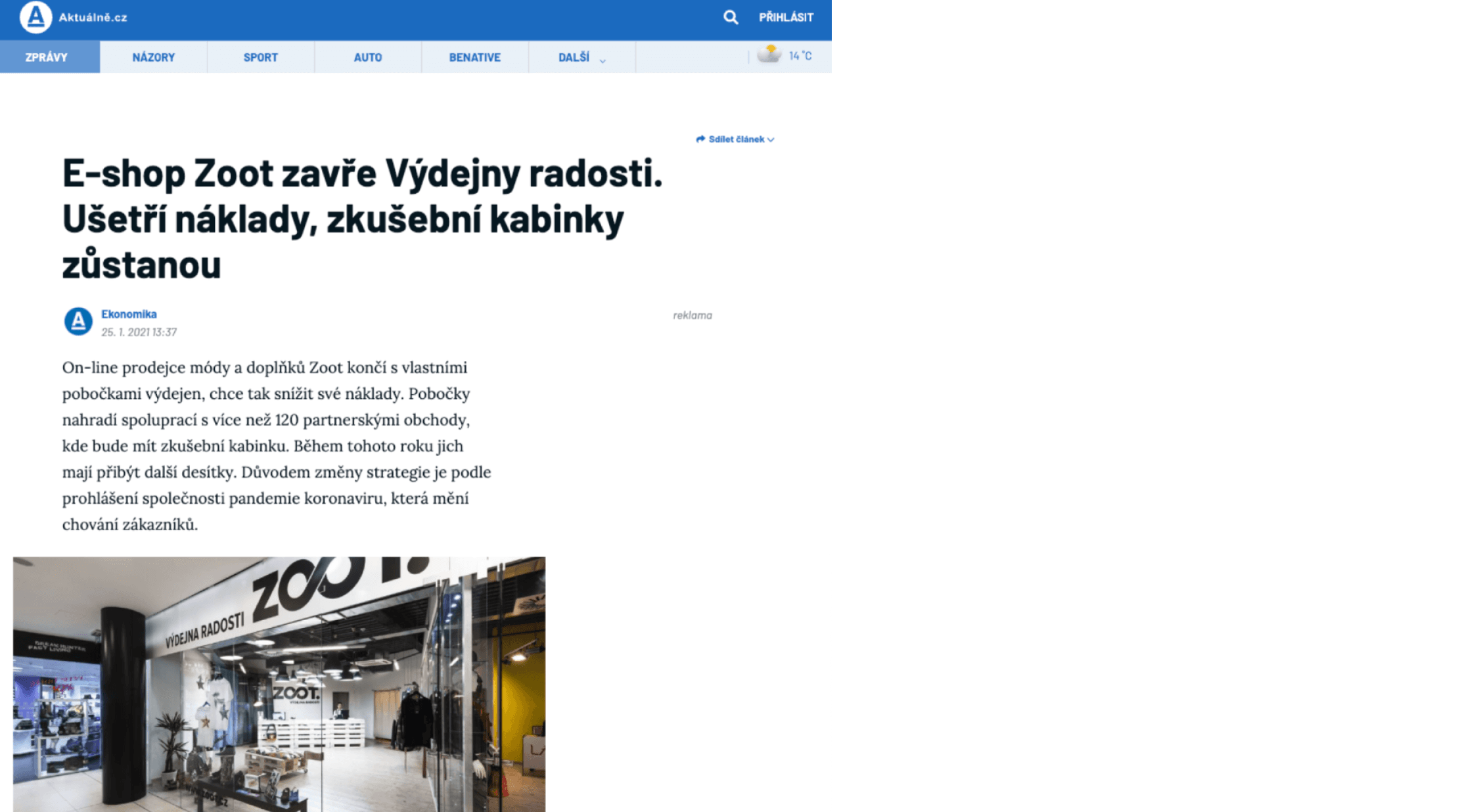
An example is Zoot, which built its concept around "Joy Pickup Points" (Výdejny radosti). Customers ordered clothing, came to the branch, tried everything on, and paid only for what they wanted to keep.
From a Customer Experience perspective, this is excellent — but the catch was the economics. The Joy Pickup Points resulted in over 70% of ordered goods being returned, and this, along with other problems, led the company to insolvency in 2019. The Joy Pickup Points, as the centerpiece of the entire strategy, then permanently closed in 2021.
That's why, when thinking about customer experience, always make sure that some of the surprises don't turn into nothing more than holes in the budget. CX must work in synergy with the business, not at its expense.